Tilt & Turn Window
Redefining the boundaries of architectural manufacturing through microscopic precision and visionary design.
Prionex Engineering
Prionex uPVC Tilt & Turn Windows – Smart Ventilation, Modern Design
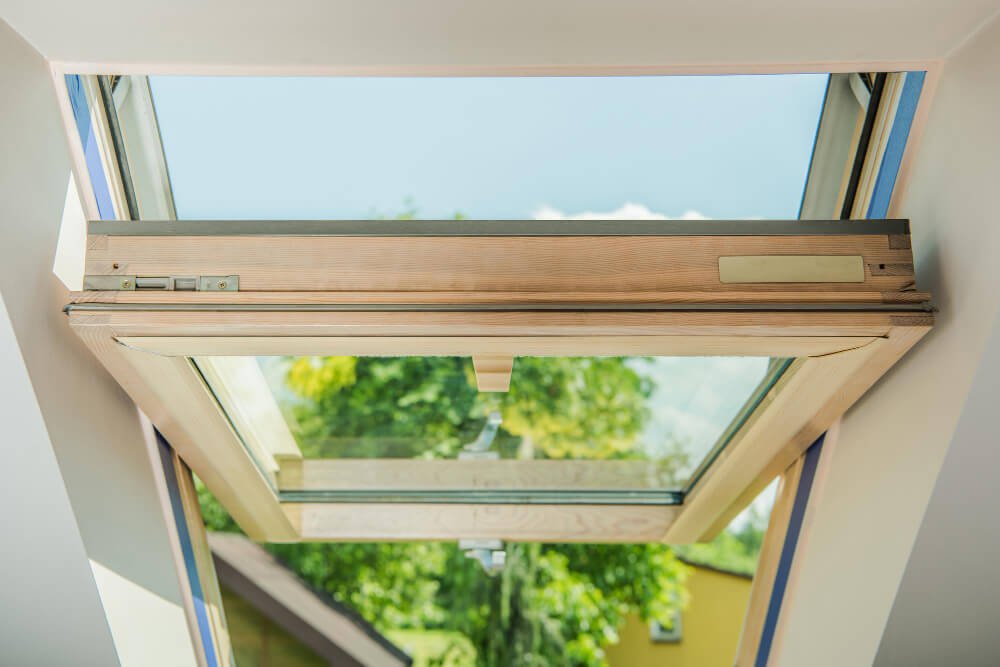
Prionex uPVC Tilt & Turn Windows offer a perfect blend of functionality, modern aesthetics, and superior ventilation control. Designed with innovative European technology, these windows can open in two ways—tilt inward from the top for controlled airflow or swing open fully like a casement window for maximum ventilation. This dual-opening mechanism makes them an ideal choice for both residential and commercial spaces.
Built using high-quality uPVC profiles, Prionex windows ensure excellent durability, thermal insulation, and noise reduction. They are resistant to weather, corrosion, and UV rays, making them a long-lasting solution even in harsh climates. The multi-point locking system enhances safety while maintaining ease of operation, giving users both comfort and security.
With a sleek and contemporary design, Prionex uPVC Tilt & Turn Windows complement any architectural style. They are low-maintenance, easy to clean from the inside, and energy-efficient—helping reduce electricity costs. Whether you are upgrading your home or designing a new space, Prionex delivers reliable performance with a premium finish.
Key Technical Features
Enjoy the flexibility of two opening styles in one window—tilt inward from the top for ventilation or swing fully open like a door for easy access and cleaning.
The tilt position allows controlled airflow while maintaining safety, making it ideal for homes, offices, and high-rise buildings.
Equipped with multi-point locking mechanisms, these windows provide excellent protection against forced entry.
uPVC frames combined with airtight sealing help reduce heat transfer, keeping interiors cooler in summer and warmer in winter.
Designed to minimize external noise, ensuring a quieter and more comfortable indoor environment.
uPVC material is resistant to corrosion, termites, and weathering, requiring minimal upkeep compared to traditional materials.